

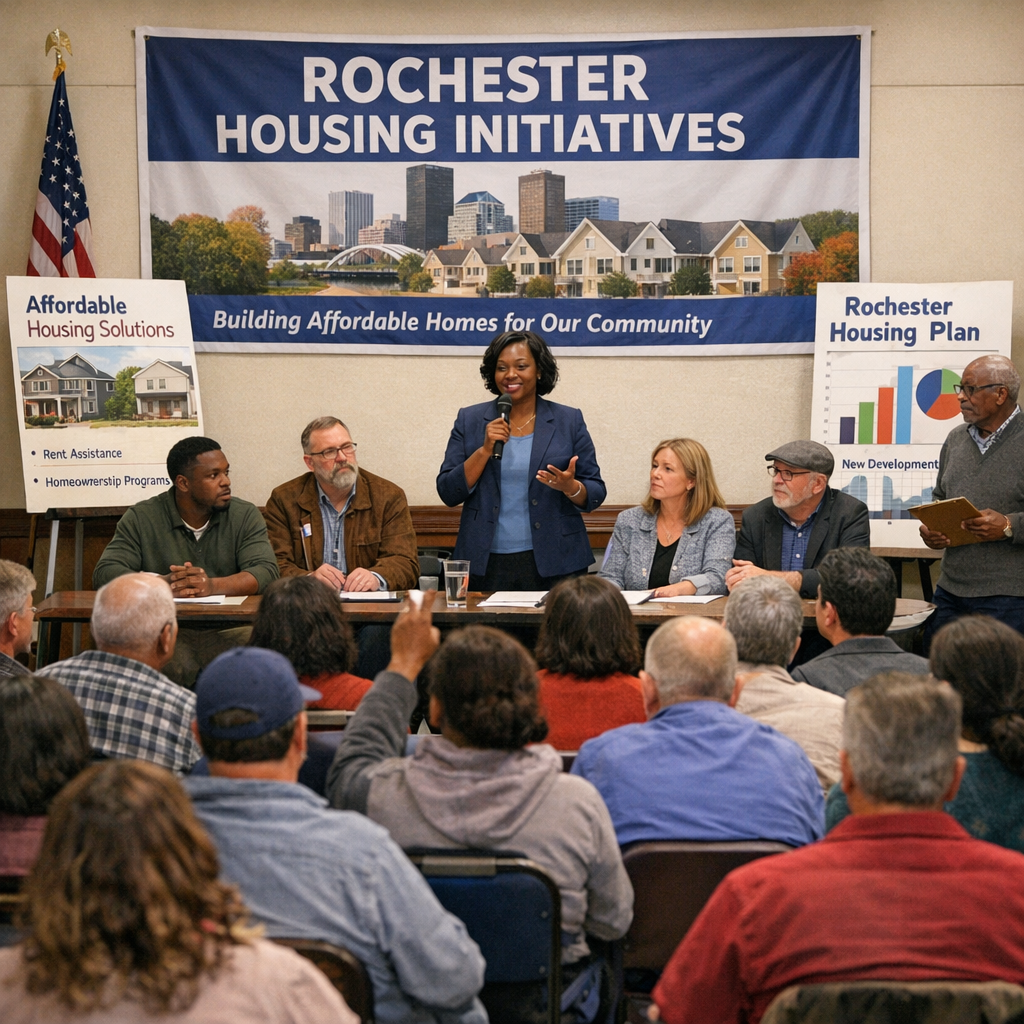
Rochester is confronting a significant housing crisis, marked by a shortage of affordable housing and increasing homelessness. Community organizations and local government are actively working to address these challenges through various initiatives.
Homelessness on the Rise
Recent reports indicate a steady increase in homelessness within the city. In 2025, nearly 1,200 individuals experienced visible homelessness, leading to the formation of encampments on vacant land. In response, Rochester City Council President Miguel Meléndez released a comprehensive report outlining strategies to tackle this issue. The report emphasizes the need for clear protocols to support those living in outdoor encampments and aims to achieve a state of functional zero homelessness, where the number of individuals facing homelessness does not exceed those being permanently housed.
Community Health Priorities
The Office of Health Equity Research at the University of Rochester Medical Center has identified housing as a top community health priority. Their research underscores the importance of improving access to safe, affordable housing to enhance overall health outcomes. High-quality housing in neighborhoods with health-promoting features is crucial for community well-being.
Environmental Health Concerns
Environmental factors also play a role in the housing crisis. The Institute for Human Health and the Environment highlighted housing quality and environmental exposures, such as lead paint and mold, as significant concerns. Addressing these issues is essential for ensuring safe living conditions and promoting public health.
Community Initiatives
Local organizations are actively working to alleviate the housing crisis. The Rochester Area Community Foundation manages charitable funds and distributes grants across the region, supporting initiatives aimed at providing affordable housing and reducing poverty. Additionally, the Rochester-Monroe Anti-Poverty Initiative focuses on reducing poverty by 50% over 15 years, recognizing the critical link between housing stability and economic well-being.
Conclusion
While Rochester’s housing crisis presents complex challenges, the concerted efforts of community organizations, local government, and residents offer hope for meaningful solutions. Continued collaboration and investment in housing initiatives are vital to ensure all Rochesterians have access to safe and affordable homes.